Best Nutrition And Snacks For Long Hiking Trips That Keep You Moving Longer
Author:Mike Fakunle
|
Released:October 3, 2025
The best nutrition and snacks for long hiking trips can determine how strong, focused, and safe a hike feels. Food choices matter early because long trails burn energy fast. Eating the wrong snacks often leads to tired legs, slow thinking, and early stops.
Why Best Nutrition And Snacks For Long Hiking Trips Matter
Long hiking trips use more energy than daily walking. The body burns calories faster because of hills, pack weight, and long hours. Without the right nutrition for long hiking trips, energy drops quickly, and recovery slows.

Poor food choices often cause hunger spikes, cramps, or stomach problems. Balanced hiking nutrition helps maintain focus, reduce injury risk, and keep pace steady from start to finish.
How To Calculate Food Needs For Long Hiking Trips
Calories depend on distance, terrain, and body size. Most long hikes require more fuel than expected. Planning prevents running out of energy halfway through the trail.
Daily Calorie Needs On The Trail
Moderate long hikes often need 2,500 to 3,500 calories per day. Steep or multi-day hikes can push needs higher. Nutrition for long hiking trips should match effort level, not normal daily eating.
Balancing Weight And Calories
High-energy trail food matters because pack weight adds strain. Foods with more calories per gram allow hikers to carry less while still eating enough.
Macronutrients Needed For Long-Distance Hiking Nutrition
Every long hike depends on balance. Carbs, protein, and fats each play a role in keeping the body working well.
Carbohydrates For Ongoing Energy
Carbs fuel movement and help prevent early fatigue. They are the main source of quick energy during hiking and meal planning.
Protein For Muscle Support
Protein helps repair muscles during breaks and overnight. Long-distance hiking nutrition works better when protein appears in small amounts throughout the day.
Healthy Fats For Endurance
Fats provide slow, lasting fuel. They increase calorie density and support long hours between meals.
Best Snacks For Long Hiking Trips
Snacks should be easy to eat, light to carry, and gentle on the stomach. Best hiking snacks support steady energy without slowing movement.
Snacks That Last In Heat And Cold
Nuts, trail mixes, and energy bars hold up well. These are common high-energy trail food options used by experienced hikers.
Easy Snacks While Walking
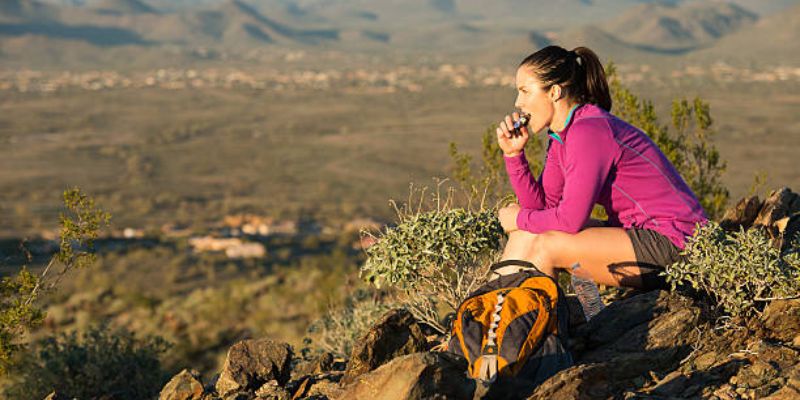
Dried fruit, nut butter packets, and soft bars allow eating without stopping. This helps maintain rhythm and energy.
Salty Snacks For Balance
Salt helps replace minerals lost through sweat. Crackers and roasted seeds reduce cramping risk during long hiking trips.
Best Meals For Long Hiking Trips
Meals matter as much as snacks. They refill energy stores and support recovery.
Ready-To-Eat Meal Options
Wraps, tuna packets, and cooked grains work well without heating. These simplify hiking meal planning.
Dehydrated And Lightweight Meals
Dry meals save space and weight. Many hikers rely on them for long-distance hiking nutrition over several days.
Evening Meals For Recovery
Meals with carbs and protein support muscle repair. Good recovery improves performance the next day.
Hydration And Electrolytes On Long Hiking Trips
Water supports digestion, temperature control, and muscle function. Nutrition for long hiking trips fails without proper hydration.
How Much Water Is Needed
Most hikers need about half a liter per hour. Heat and elevation increase needs. Signs of dehydration include dizziness and dark urine.
Electrolyte Balance
Sweating removes sodium and potassium. Replacing them supports nerve and muscle function. Public health guidance on hydration and minerals often reflects how fluid balance affects physical performance, as seen in general recommendations shared on global health resources.
Nutrition Planning For Multi-Day Hiking Trips
Multi-day hikes need structure. Food planning prevents appetite loss and energy dips.
Simple Daily Meal Planning
Each day should include snacks every one to two hours and balanced meals. This keeps blood sugar steady.
Preventing Food Fatigue
Repeating flavors reduces appetite. Mixing sweet and savory options helps maintain intake.
Safe Food Storage
Proper storage prevents spoilage and wildlife issues. Trail food safety follows basic food handling principles often outlined in broader nutrition safety guidance found across national food standards.
Special Nutrition Needs For Different Hikers
Every hiker responds differently to food. Adjustments improve comfort and performance.
Beginner Hikers
Beginners benefit from familiar foods. Trying new snacks on the trail can cause stomach trouble.
Vegetarian And Vegan Nutrition
Plant-based diets work well with careful planning. Nuts, seeds, legumes, and grains support long-distance hiking nutrition when balanced properly. General dietary balance principles commonly shared in professional nutrition practice align with ideas discussed throughout evidence-based nutrition education.
Managing Sensitivities
Food intolerances require careful selection. Reading labels and testing foods before trips prevents problems.
Foods To Avoid On Long Hiking Trips
Some foods work against hiking performance. Avoiding them helps maintain energy.
Foods That Cause Energy Crashes
Sugary snacks spike energy briefly and lead to fatigue later. Best hiking snacks focus on steady release.
Heavy Or Greasy Foods
These slow digestion and increase discomfort. Light, simple foods work better during movement.

Packing And Storing Snacks Properly
Smart packing protects food and saves space.
Portion Control
Small portions eaten often support energy better than large meals. This improves nutrition for long hiking trips.
Reducing Waste And Bulk
Repack foods into lightweight containers. This saves space and reduces trash.
Best Nutrition And Snacks For Long Hiking Trips That Support Endurance
Best nutrition and snacks for long hiking trips help hikers stay strong, alert, and confident. Matching food choices to pace and distance improves safety and enjoyment. With proper hiking meal planning and high-energy trail food, long hikes become more manageable and rewarding from start to finish.
Sources
Related Posts
Activities
Glacier Hiking In Chile: Why You Must Go Before The Routes Shift

Activities
Why A Cheese-Tasting And Hiking Combo In The French Alps Is Trending

Guides and Tips
How To Stay Energized During A Long Mountain Hike
Guides and Tips
How To Descend Steep Trails Without Destroying Your Knees
Outdoor Gear
How to Use Trekking Poles: Techniques, Tips, and Terrain Adjustments
Destinations